A small rock in the Atlantic

All about the island of La Palma, in the Canaries.

Click for La Palma, Canary Islands Forecast

Tuesday, 29 March 2011

Twin Dragon Trees in Breña Alta
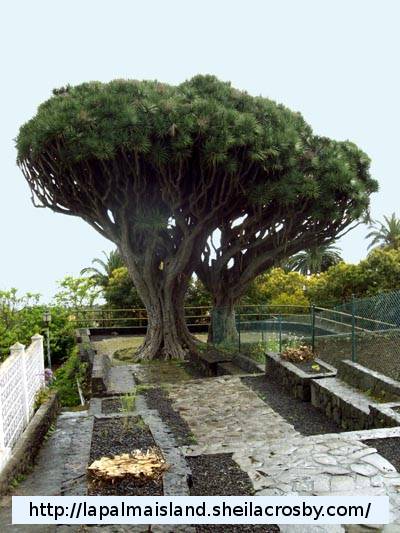
Twin dragon trees, Breña Alta, La Palma
Twin dragon trees (Dracaena draco), Breña Alta

These trees stand in Breña Alta, just off the minor road which winds over the central ridge to El Paso. They grow so close together that it's hard to tell where on trunk ends and the other begins.
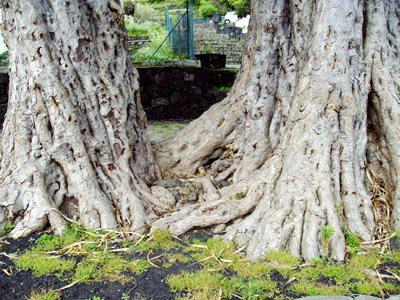
Trunks of twin dragon trees, Breña Alta, La Palma

Of course there's a legend associated with the trees. Two brothers lived nearby, and were very close, but they fell in love with the same gorgeous girl.

Oh dear. You can already tell that this doesn't have a happy ending, can't you?

The girl was fond of them both, but she had the sense not to keep them dangling. She chose one, and they were married, but as they walked to their new home in the dark, the spurned brother attacked. He killed the new bridegroom, and tried to rape his sister-in-law. She got to the kitchen knife first, so that was the end of him.

The new widow honoured them both by planting these two dragon trees. As the cuttings grew, she watered them and they grew tall from the fertile soil and her warm memories. They say that the brothers' blood still flows within their trunks and gives them life.
Twin dragon trees, Breña Alta, La Palma
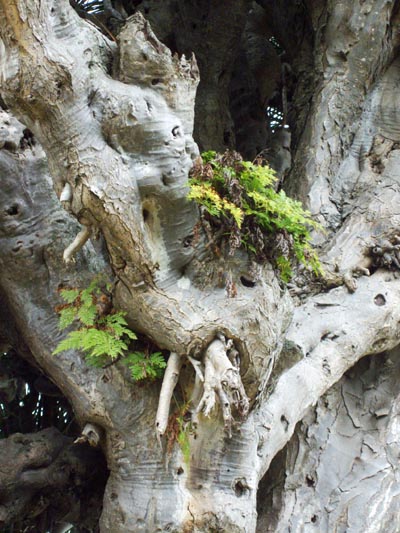
Dragon trees are odd plants (see Dragon trees). Like most mature dragon trees, these are so full of nooks and crannies that they're more a micro-climate than a plant.

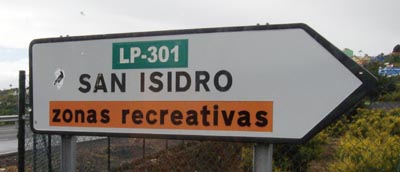
To see the trees, take the LP 123 between San Pedro and Monte de la Breña, and then the LP 301 up the hill. The trees are on the left, about 400 m from the junction. There's a tiny car park.
Twin dragon trees, Breña Alta, La Palma

Labels: , , , , , , , , ,

Bookmark with:

Del.icio.us Digg Reddit Facebook Furl It Newsvine StumbleUpon ToolbarStumbleUpon

Tuesday, 31 August 2010

La Zarza Rock Carvings

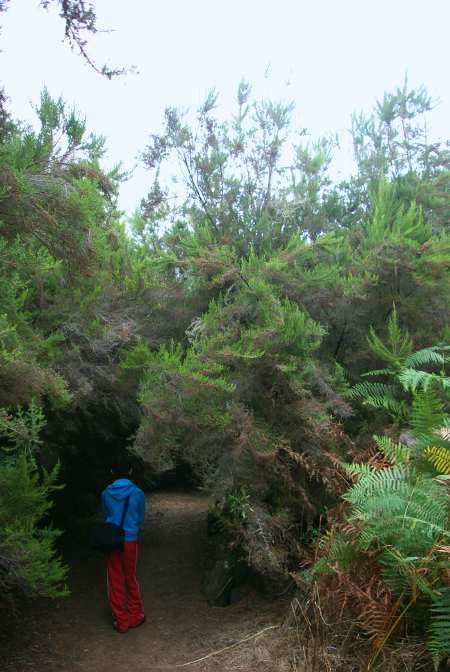
Tree heather, Garafia, La PalmaTree heather

One of the best archaeological sites on La Palma is La Zarza and La Zarzita, in Garafía.

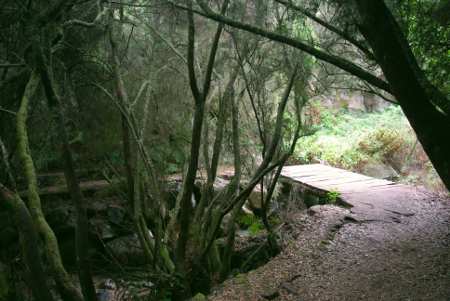
You have to walk, but it's a beautiful stroll through woods of heather and bayberry trees. Yes, heather is a tree here - see the top photo.

The whole walk takes about an hour, and first bit of the path is the steepest. It's clearly signposted.

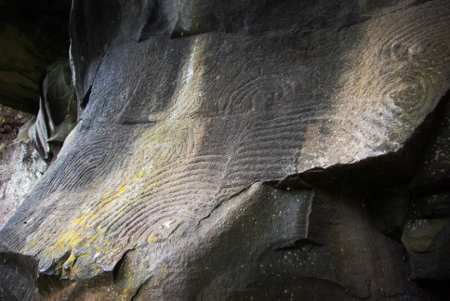
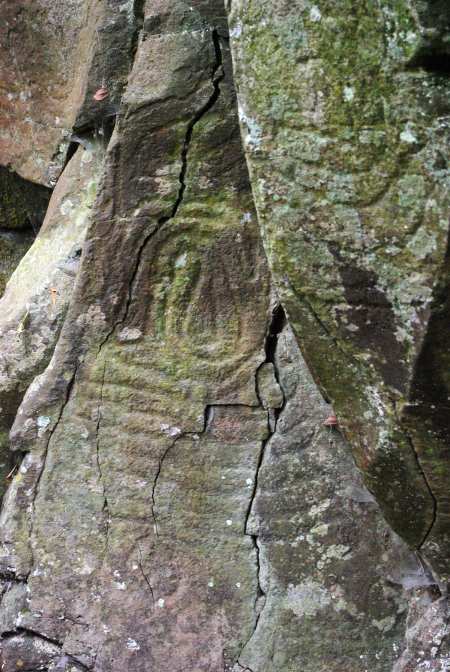
Rock carvings at La Zarza, Garafia, La Palma Rock carvings at La Zarza, Garafia, La Palma

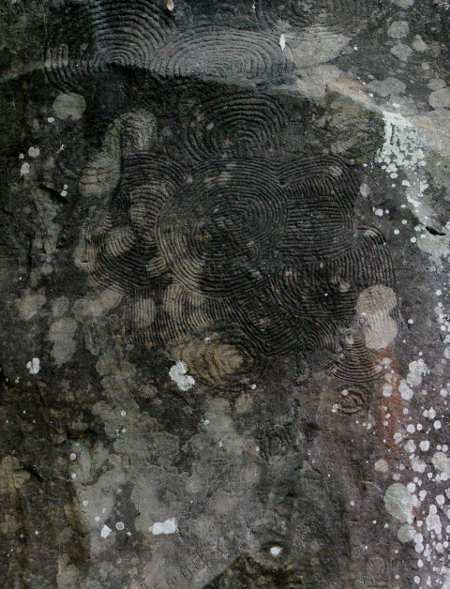
You reach La Zarza first. Here there is a cave with rock carvings around the entrance. The 29 carvings themselves are low relief swirls and meanders. they are definitely pre-Hispanic, made by the Benawara at least 500 years ago. They were only discovered in 1941.

Rock carvings at La Zarza, Garafia, La PalmaRock carvings at La Zarza, Garafia, La Palma


They remind me a little of cup and ring stones on the Yorkshire Moors, only these are much more elaborate. It must have taken hours and hours to produce the designs, hammering on the rock "canvas" with another rock.

La Zarzita is a short walk away, and has 18 carvings.

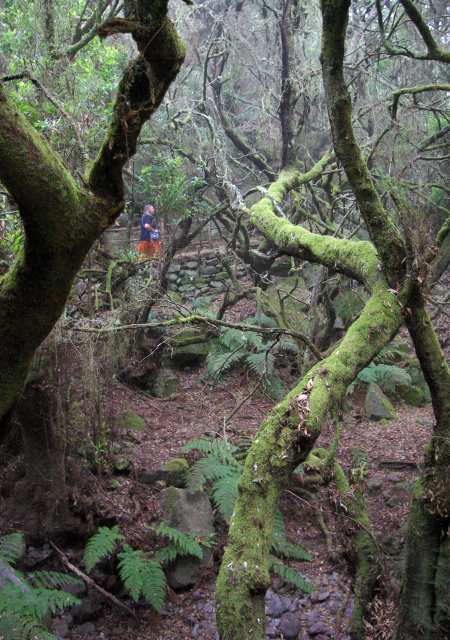
The woods at La Zarzita, Garafia, La PalmaThe woods at La Zarzita, Garafia, La Palma

La Zarza and La Zarzita are the most spectacular, but there are lots of similar sites on the island. Archeologists disagree on the meaning of the carvings. Certainly they're nearly always found near water and/or pasture for goats, so most of the explanations focus on fertility and water cults.

Rock carvings at La Zarzita, Garafia, La PalmaRock carvings at La Zarzita, Garafia, La Palma

Most visitors arrive by car. The car park is signposted, just off the main road around the north of the island, between La Mata and Llano Negro. Entrance is free to residents of Garafía, and 1.80€ for everyone else, and includes a small museum. In summer they open from 11 am - 7 pm and in winter, from 11 am to 5 pm.

There's another famous archeological site at Belmaco in Mazo. That has an easier, less beautiful walk, more inhabited caves, and a larger museum, but the rock carvings are smaller and there are fewer of them.

The woods at La Zarzita, Garafia, La PalmaThe woods at La Zarzita, Garafia, La Palma

Labels: , ,

Bookmark with:

Del.icio.us Digg Reddit Facebook Furl It Newsvine StumbleUpon ToolbarStumbleUpon

Sunday, 21 March 2010

Palmeran Sow Thistles (Sonchus palmensis)

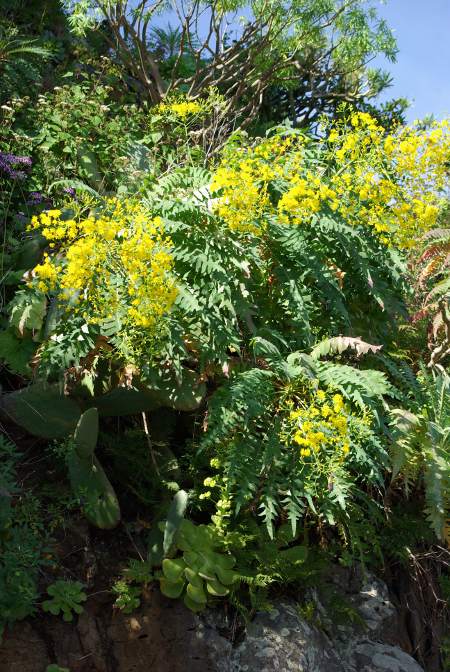
Sonchus palmensis

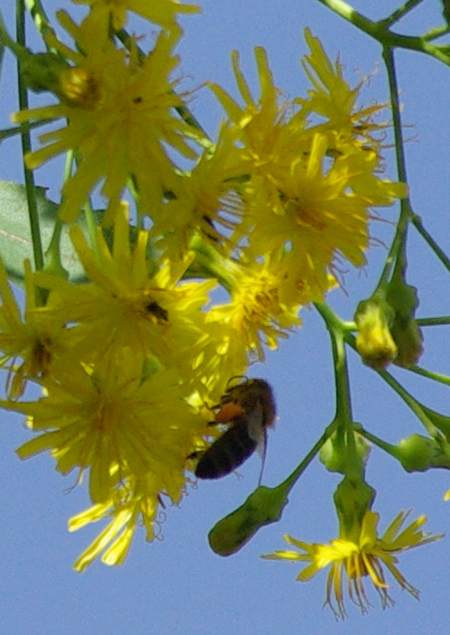
Sow thistles look rather like a dandelion gone balistic. That is, the individual flowers look much like dandelions, but they're growing on a shrub anything up to 2 m (6 ft) tall. And now they're flowing all over the island, especially on the east, up to about 1,000 ft. Like so many other plants here, La Palma has a different species from everywhere else - Sonchus palmensis.

The local names are cerraja or lechuguilla.

Sonchus palmensis closeup

Labels: , , ,

Bookmark with:

Del.icio.us Digg Reddit Facebook Furl It Newsvine StumbleUpon ToolbarStumbleUpon

Friday, 30 October 2009

Dragon trees

Dragon tree at sunset

One of the most exotic looking plants on La Palma are the dragon trees.

The latin name is Dracaena draco Although they grow anything up to 12 metres tall, botanically, dragon trees aren't trees. They don't have annual rings, for one thing. Actually, they're classified in the same order (Asparagales) as garlic and asparagus, although they look nothing like each other. In fact, dragon trees look mostly like broccoli on steroids.

They grow throughout the Canary Islands, and also in Cape Verde, the Azores, Maderia, and western Morocco.

Because they don't have annual rings, it's hard to tell their age. The trunk branches every time they flower, which isn't every year. So you can tell how often a trees has flowered, and make an educated guess at its age that way. The tree in the photo has flowered just twice. The oldest ones seem to be about 650 years old.

The resin is reddish. In ancient Roman times, people used to dry it and sell it to alchemists as dragon blood. It must have fetched a packet.

The Canary Islands used to have a large, flightless bird, something like a Dodo. This bird ate dragon tree fruits, so the seeds evolved to have a hard protective covering to survive the bird's digestive tract. Now that the bird is extinct, this covering makes it had for the seed to germinate. The north of La Palma is one of the few places where the trees are reproducing naturally. In other places they put the seeds in an acid bath for a few hours (much like the inside of a bird) to remove the hard coating before planting the seed.

One of the best places to see them is at Buracas, below the village of Las Tricias in Garafía. That's where I took this photo. There's another lovely group at La Tosca, in Barlovento, which you can see from a viewpoint on the main road from Barlovento village to Gallegos. And there's the famous twin dragon trees in Breña Alta.

Labels: , , , , , , ,

Bookmark with:

Del.icio.us Digg Reddit Facebook Furl It Newsvine StumbleUpon ToolbarStumbleUpon

Friday, 21 August 2009

Los Tilos: Ancient Forest


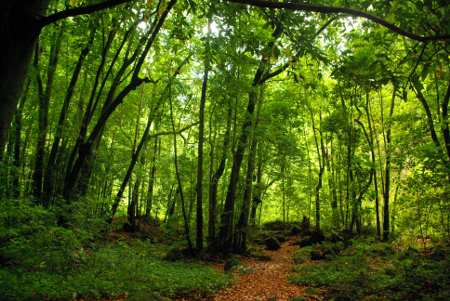
Laurel forest at Los Tilos

One of my favourite bits of tourist feedback about La Palma island was the disgruntled Brit who described Los Tilos as: "Just a load of trees."

Well yes. And Beethoven's Ninth is just a load of notes, and the Mona Lisa is just a load of paint.

Los Tilos, in San Andres and Los Sauces, is home to one of the best surviving laurel forests in the world. (The other one is Garajonay, in La Gomera).


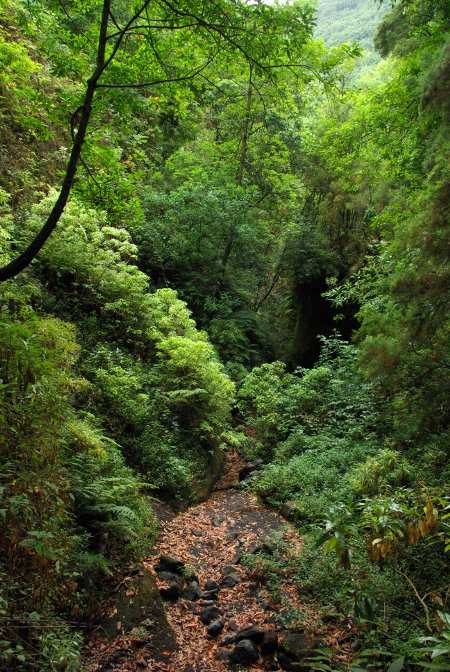
The river bed at Los Tilos

What's so great about a laurel forest?

It's what the dinosaurs walked through. To be fair, if you can't tell an oak from a birch, then it's just a pretty, shady walk.


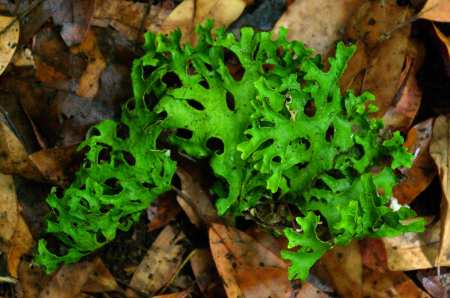
Stag's head lichen

On the other hand, if you're a professional plant scientist, like my father, you feel like a small kid in a sweet shop, because the place is full of plants that grow nowhere else. My father got too excited to finish his sentences, and it took him twenty minutes to walk a hundred yards.


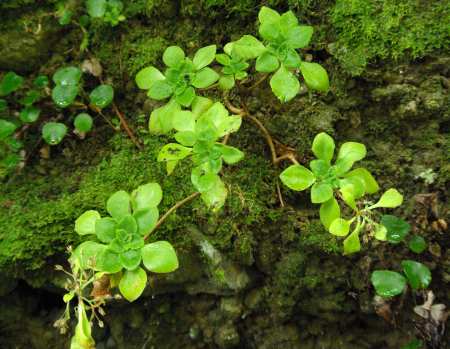
An aeonium

The plants are rare enough that whole place is a World Biosphere Reserve. The original 511 hectares were declared a reserve in 1983, but this wasn't big enough to do the job properly, so in 1998 it was extended. They didn't muck about. The new reserve is 13,240 hectares. That's 5% of the island!


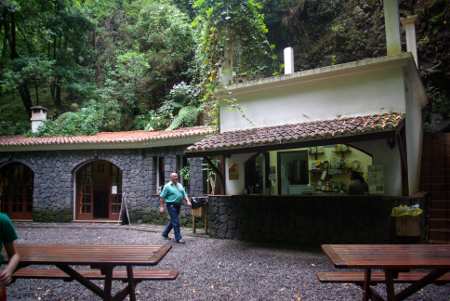
The restaurant at Los Tilos

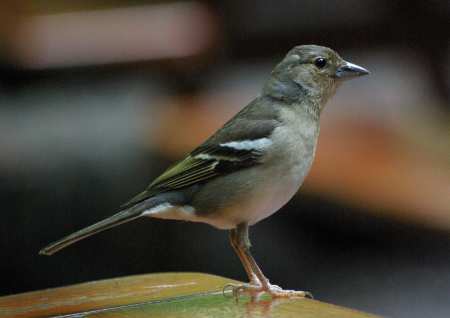
There's also a friendly bar, which is great if you work up a thirst. There are very tame little birds, which I believe are Canary Chaffinches (Fringilla coelebs tintillon). If you know better, please let me know!

Labels: , , , , ,

Bookmark with:

Del.icio.us Digg Reddit Facebook Furl It Newsvine StumbleUpon ToolbarStumbleUpon

Saturday, 9 May 2009

Wild Peas

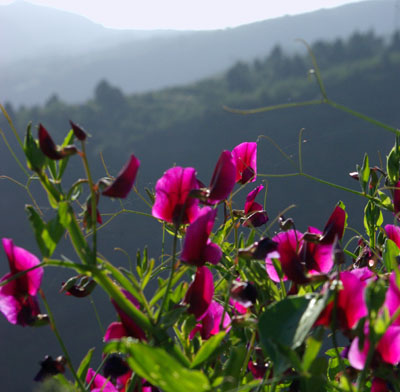
Wild peas, La Palma

These are wild peas, Pisum sativum. They grow all over the island, and very pretty they are too. The flowers are edible, but I don't know if the peas themselves are. Certainly sweet peas are poisonous.

And a big thank you to everyone who took the time to answer the blog poll. I have a new one now. Are you coming to La Palma?

As always, if you don't fit any of the answers, feel free to leave a comment or send email.

Labels: ,

Bookmark with:

Del.icio.us Digg Reddit Facebook Furl It Newsvine StumbleUpon ToolbarStumbleUpon

Monday, 4 August 2008

The Dragon Tree Viewpoint

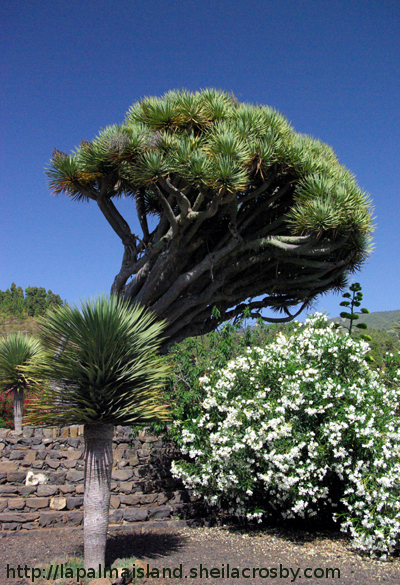
dragon tree, Dracaena draco, in Puntagorda
The leaning dragon tree (Dracaena draco).

There's a rather nice viewpoint in Puntagorda, on the main road at km 78. Its most obvious attraction is the dragon tree, leaning much further over than the tower at Pisa.

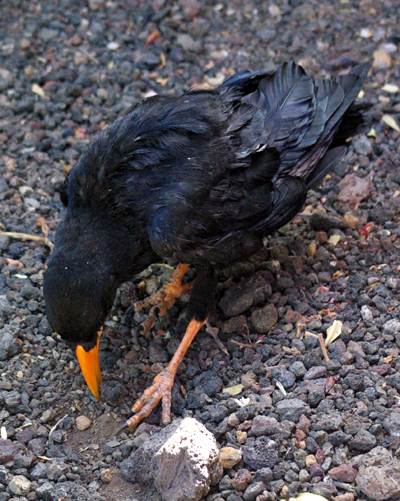
Red-billed chough, Pyrrhocorax pyrrhocorax barbarus in Puntagorda
Red-billed chough, Pyrrhocorax pyrrhocorax barbarus.

But when I was last there, I was charmed by a tame red-billed chough, Pyrrhocorax pyrrhocorax barbarus. They're relatives of rooks and crows, but this particular sub-species only lives on La Palma where they're called grajas. They're something of an icon here, because they're so distinctive. They're also pretty intelligent for birds, and rather curious. My husband once had one pecking away at the windscreen wipers of his car.

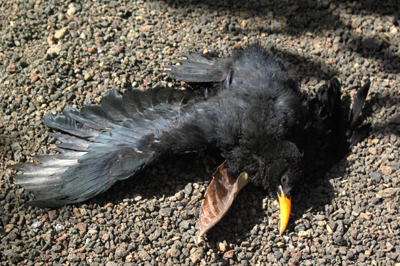
The graja at the viewpoint came right up to me and begged for food. He even lay down and pretended to be injured, until he realised that the other family there had food, and I didn't.

Red-billedchough, Pyrrhocorax pyrrhocorax barbarus in Puntagorda
Red-billed chough, Pyrrhocorax pyrrhocorax barbarus, pretending to be injured.

Labels: , , , , , , , , , ,

Bookmark with:

Del.icio.us Digg Reddit Facebook Furl It Newsvine StumbleUpon ToolbarStumbleUpon

Wednesday, 11 June 2008

Burr Marigolds


My father was a botanist, so he really looked forward to his first trip to La Palma. One of the plants he most hoped to find were burr marigolds - Bidens alba. But he later said he was trying not to hope too much in case he was disappointed.

That made me laugh, because they're an extremely common roadside weed. In fact they're a right nuisance for exactly the same reason that made them exciting to my father.

They have seeds that stick to your clothes. I mean really stick. A washing machine cycle won't shift the darn things. You have to pick them off one by one, and it's easy to get hundred of them. Small boys and dogs are particularly good collectors.

The local name for them is "Amorsecalo" which seems to be either a mangled version of "unrequited love" (because it's a pain, and hard to get rid of) or "Get it off, love", because you need help with the ones around the back.

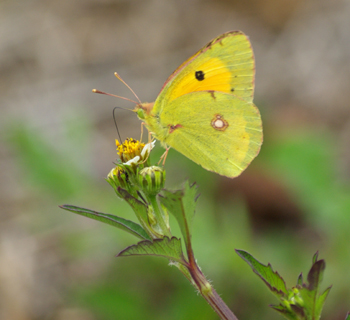
Oh, and the butterfly is Colias crocea. The tops of the wings are prettier than the undersides, but they always settle like this, just to annoy photographers.

Labels: , , , , , ,

Bookmark with:

Del.icio.us Digg Reddit Facebook Furl It Newsvine StumbleUpon ToolbarStumbleUpon

Saturday, 17 May 2008

Poppies

We have five different poppies on La Palma.


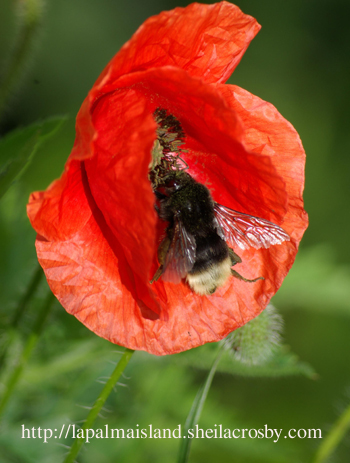
Papaver rhoeas The red poppy.

The Corn Poppy, Field Poppy, Flanders Poppy, or Red Poppy is easily the commonest. This is the poppy that mostly grows wild in fields.


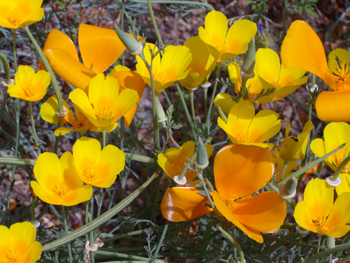
Eschscholzia Californica , the California Poppy.

The next commonest comes from California, which has a similar climate.


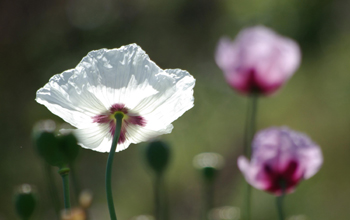
Papaver somniferum, the opium poppy.

And then there's the opium poppies, which are presumably garden escapes.


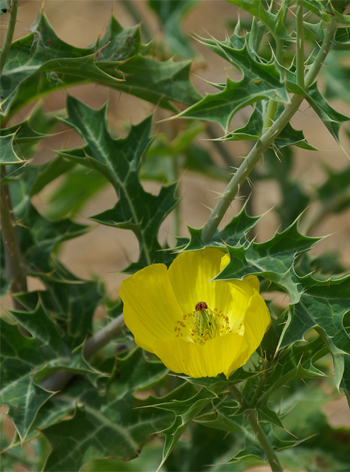
Argemone mexicana Mexican prickly poppy.
And finally the prickly yellow poppies, which are an invasive species that come from Mexico. These aren't nearly as easy to find.


Labels: , , , , , , , , , ,

Bookmark with:

Del.icio.us Digg Reddit Facebook Furl It Newsvine StumbleUpon ToolbarStumbleUpon

Wednesday, 14 May 2008

The Palmeran Violet


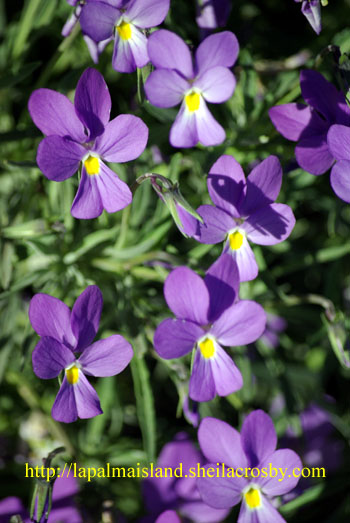
This is the Palmeran Violet, Viola palmensis. It only grows on La Palma, above 1,900 m. (There's a similar violet on Tenerife, but it has smaller flowers). It used to be rare, but the island government has a program of replanting areas. You can find them beside the road from Santa Cruz to the Roque de los Muchachos well above the tree line.

Labels: , , , , , , ,

Bookmark with:

Del.icio.us Digg Reddit Facebook Furl It Newsvine StumbleUpon ToolbarStumbleUpon

Wednesday, 7 May 2008

Cochineal and Prickerly Pears


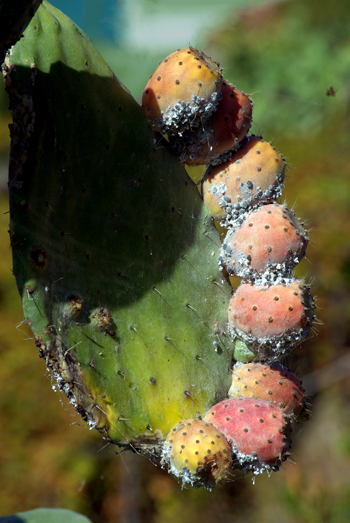
In the 1850s the export market for Palmeran wine collapsed, and somebody had the bright idea of going into cochineal production. Before the advent of synthetic dyes, this was far and away the best red dye available, particularly for wool. For one thing, it doesn't fade.

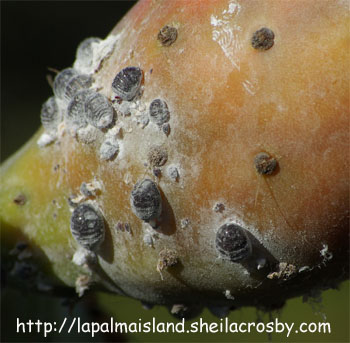
Cochineal is made from a parasitic insect (Dactylopius coccus), which lives on prickly pears (tuneras), so the plants and insects were imported from Mexico. In this climate, prickly pears grow without needing any special attention. In fact they have a tendency to take over your garden if you don't fight back. The insects thrive on neglect, too.

Peasants collected the pale gray females, which were then dried and ground up to produce the dye. Although collecting the insects was labour intensive, soon it was the mainstay of the island's economy.

And then some rotten so-and-so invented synthetic alizarine dye, which was much cheaper. The bottom fell out of the cochineal market.

There's still a small market for cochineal, because it's safe to use in food and cosmetics. And of course you can eat the prickly pears. They're harvested using giant wooden tongs, and eaten with a knife and fork, to avoid the spines.

Labels: , , , , , , , ,

Bookmark with:

Del.icio.us Digg Reddit Facebook Furl It Newsvine StumbleUpon ToolbarStumbleUpon